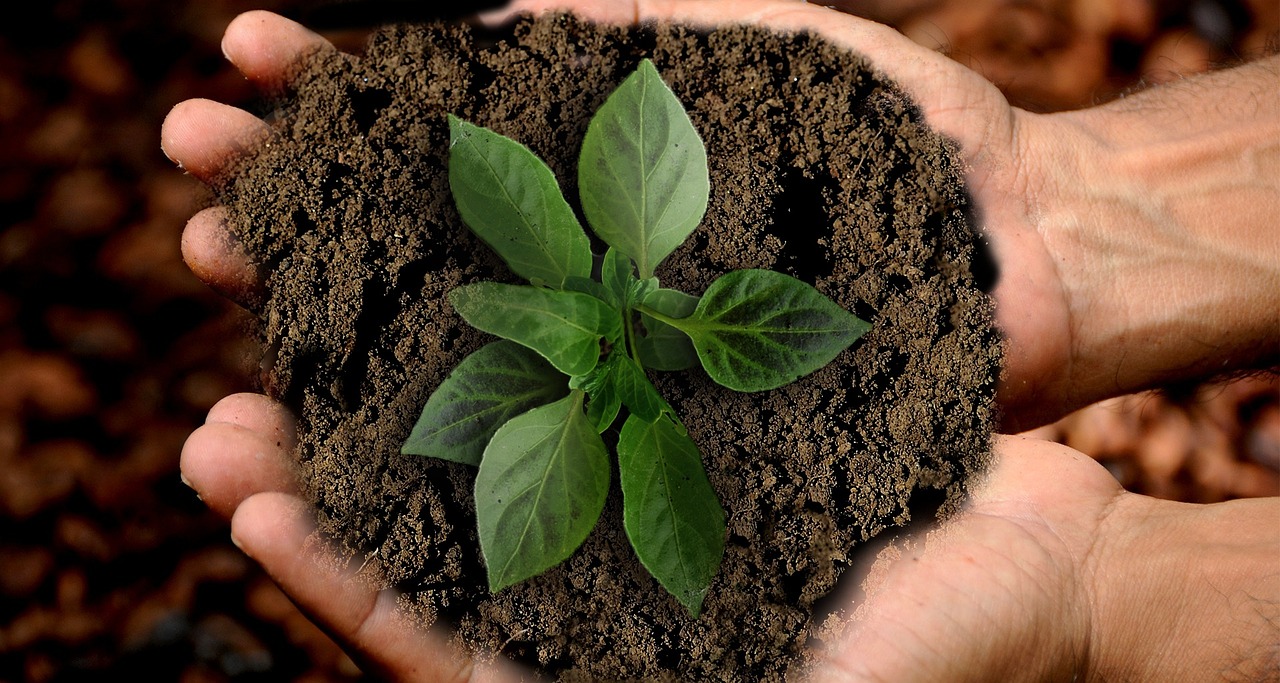

WELCOME TO A FOSSIL-FREE WORLD
Ditching Fossil Fuels
We develop and offer innovative and sustainable alternatives to traditional plastic by using fossil-free and environmentally friendly materials. Our vision is to create a greener and cleaner world by replacing oil-based packaging with eco-friendly alternatives.
Leading the Change
We use exclusive multi-stage processes and renewable resources such as agricultural waste and non-edible plants to create sustainable and functional alternatives to plastic. Our solutions are both biodegradable and compostable. Designed for circularity and the biological cycle.
Saving Our Planet
We offer a sustainable, cost-effective, and scalable alternative to plastic with superior functionality tailored to your business, enabling you to transition to greener options. We produce custom products, everything from dog waste bags to stretch film and tape.
Made by Nature, Returning to Its Roots
The Natural Cycle of Sustainable Products
Eco8 manufactures packaging products and disposable items from renewable sources such as agricultural waste, non-edible plants, and starch—nature’s gifts transformed into sustainable solutions.
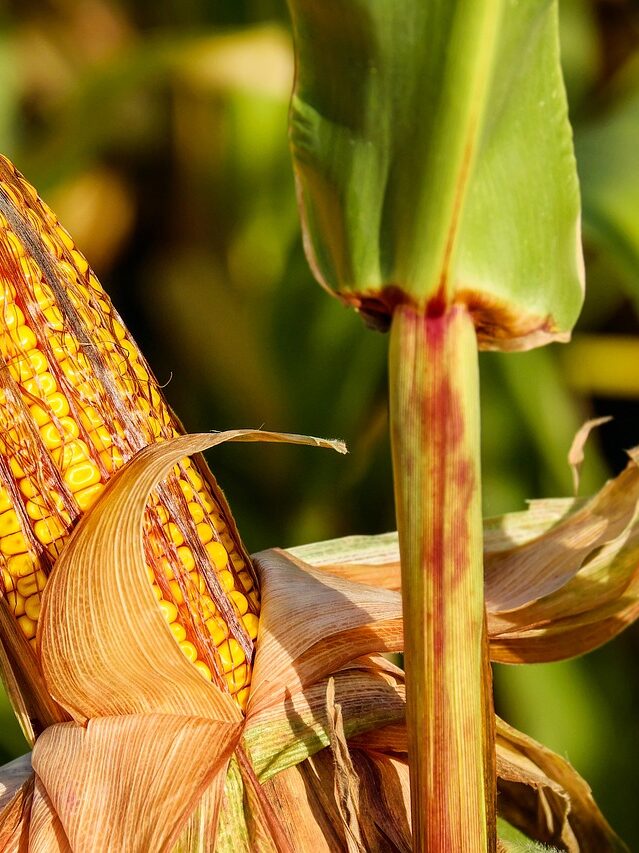
One of our approaches is to acquire large quantities of surplus corn, which would otherwise have been incinerated, and repurpose it by converting it into powder. Through an eco-friendly process involving the addition of water, we manufacture packaging from this material. This not only reduces waste but also creates a product that naturally decomposes without leaving harmful residues.
What truly distinguishes our products is that they are completely free from plastic, fossil fuels, and harmful substances. We see them as the next generation of environmentally friendly packaging solutions.
Nature’s Cycle:
From Earth to Earth
Tested and Certified
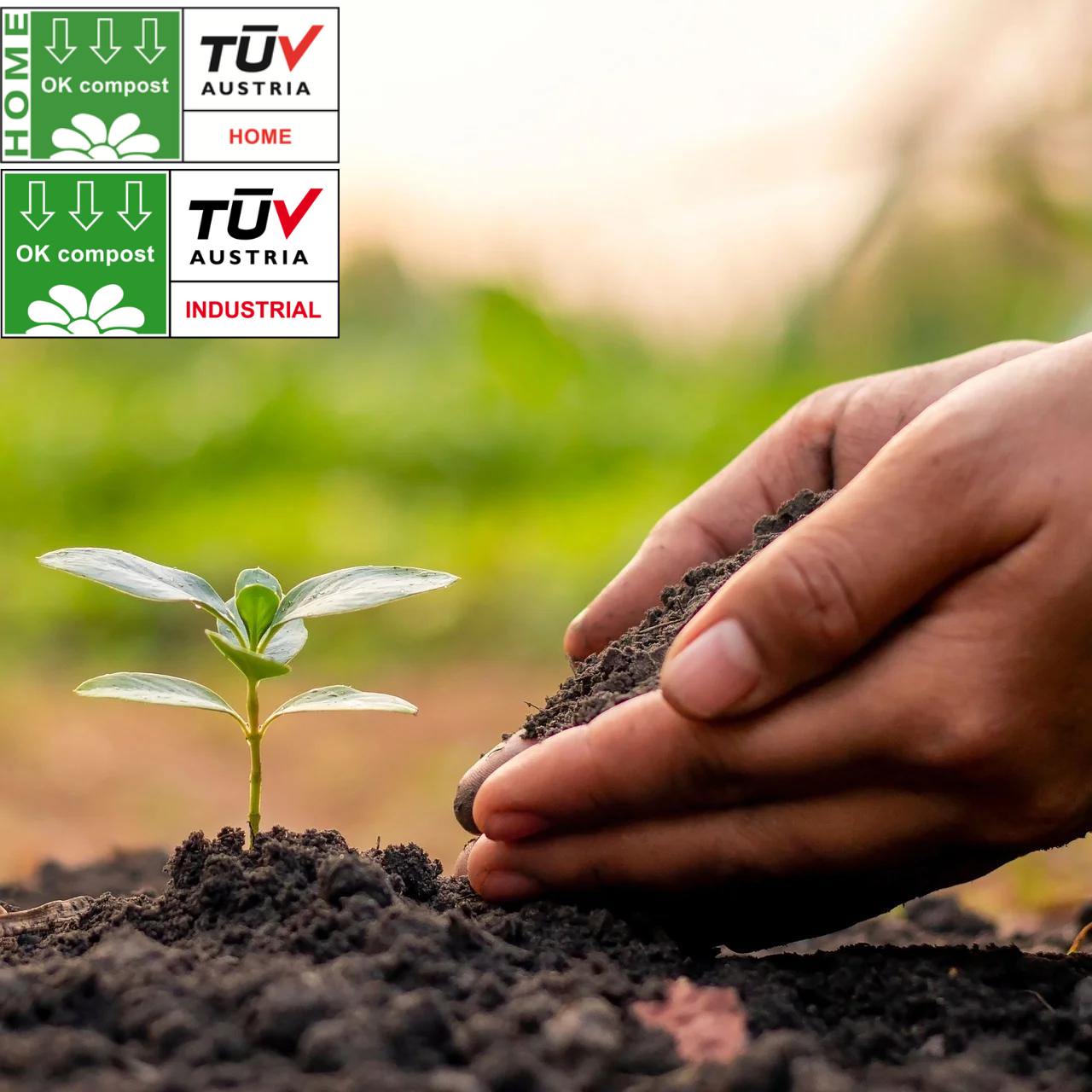
We are proud to confirm that our products decompose by 99.8% without leaving any hazardous materials behind, as certified by our credentials. They are both biodegradable and compostable, meaning they naturally break down over time without leaving harmful residues. When composted, they transform into nutrient-rich soil that can be used to support plant life.
Tested and certified by TÜV Austria, meeting EU standards. We adhere to stringent quality and safety standards. Our goal is to support nature’s cycle by offering products that naturally return to the earth.
Breaking Boundaries with Fossil-Free Solutions

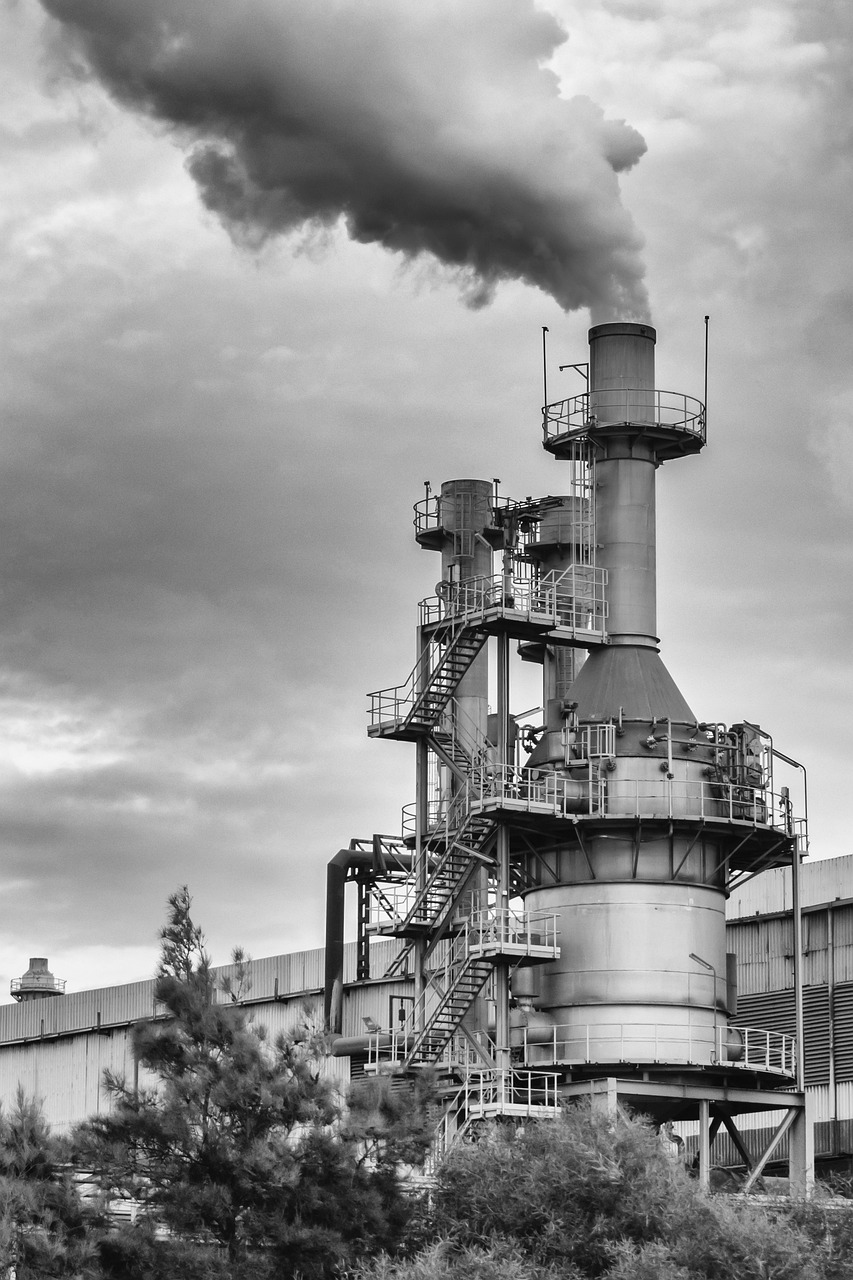
99% of plastic is made from fossil fuels. Plastic contributes to the climate crisis. Plastic production is also one of the most energy-intensive manufacturing processes.
Fossil-based plastics are produced from non-renewable raw materials such as oil and natural gas, which increases our reliance on fossil fuels. Additionally, plastic takes a long time to decompose in nature, resulting in litter pollution and harm to ecosystems.
The production of plastic products can release toxic substances and air pollutants, adversely impacting both environmental and human health. Traditional plastics decompose very slowly, leading to prolonged contamination of soil, water, and air.
When plastic eventually breaks down into smaller fragments, it forms microplastics. These microplastics can contaminate waterways and oceans, pose risks to marine life, and potentially enter the food chain.
ECO8’s impact is not only limited to reducing CO2 emissions; but also contributing to reduce the impacts on climate change, ocean toxicity, food quality, eco-system and habitat disruption.
Only 9% of Plastic Is Ever Recycled
Each year 380 million tonnes of plastic are produced globally, but only 9% is ever recycled, with the majority being burnt, sent to landfill, or polluting our oceans. We have produced more plastic in the last decade than in the entire 20th century.
1,000 Years Before It Fades Away
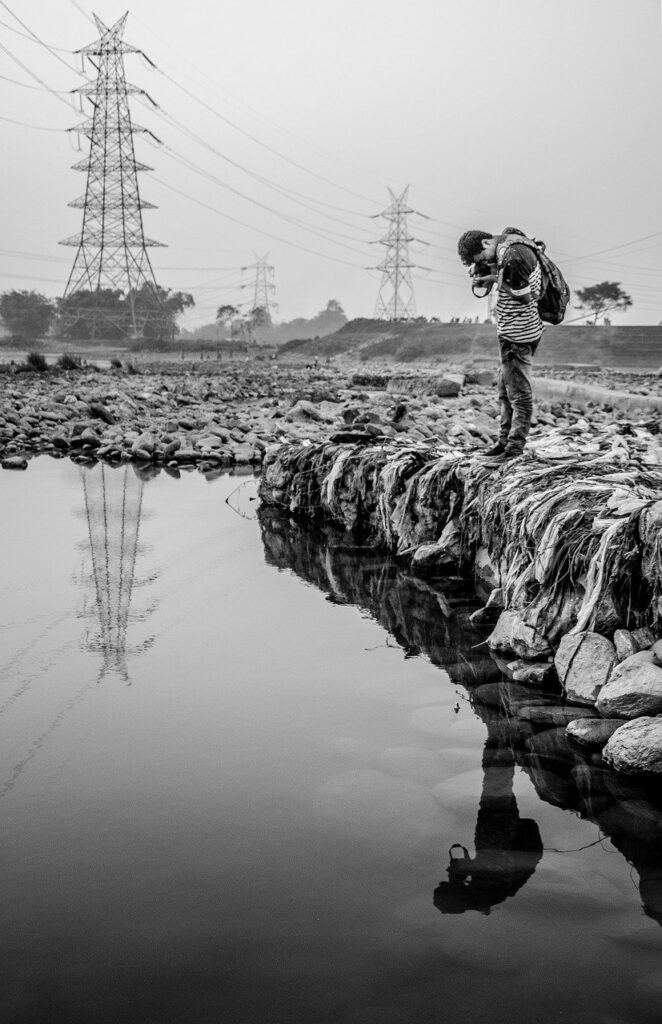
Fossil-based products, particularly plastics, decompose very slowly in nature. It can take hundreds or even thousands of years for these materials to break down, leading to prolonged pollution of soil, water, and air.
The Ocean’s Plastic Crisis
There are 12 million tonnes of plastic entering the ocean each year. According to Surfers Against Sewage, there are approximately 51 trillion microscopic pieces of plastic, weighing 269,000 tons, in our oceans. By 2050, it is estimated that there could be more plastic in the oceans than fish, based on current trends of plastic production and disposal.


Daily Dose of Danger
As plastics break down, they fragment into tiny microplastics that can disperse throughout the environment. Microplastics are challenging to remove and can harm both wildlife and ecosystems. According to UNEP, the average person consumes around 70,000 microplastics yearly, primarily through food, water, and air.
Now, researchers are finding them in almost every part of the human body, including in breast milk, the placenta, testicles, hearts, livers, and kidneys.
PURELY CIRCULAR
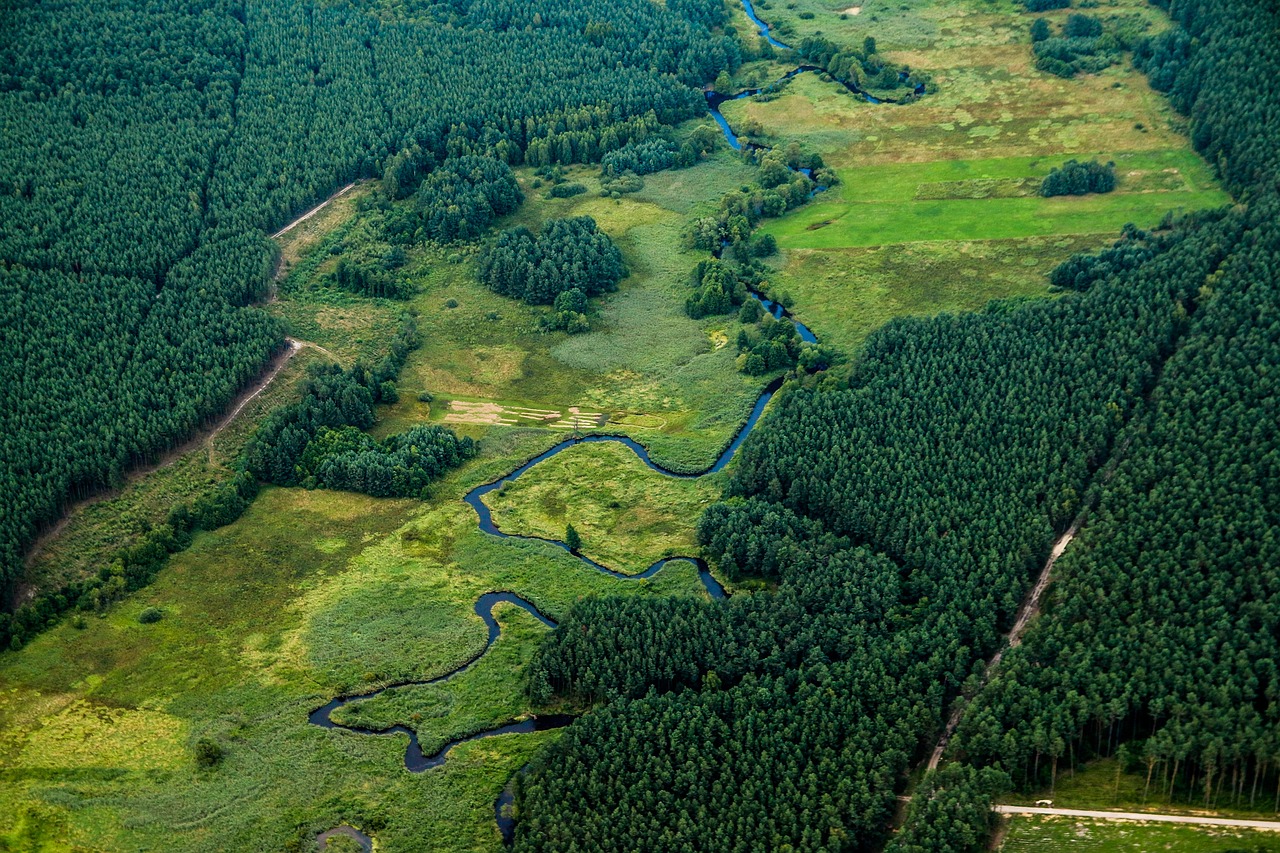
By eliminating harmful chemicals and microplastics, we actively contribute to the health and well-being of both people and the planet. Our products are thoughtfully designed for circularity, ensuring they seamlessly fit into the biological cycle. This means they break down naturally, leaving no harmful residues behind, and can be reintegrated into the environment without causing damage. Through this approach, we prioritize sustainability and environmental responsibility, creating a healthier future for all.

Excited to Discover What We’ve Created?
Discover our fossil-free, bio-based, certified, biodegradable, compostable, and custom-made packaging and disposables.
Tap to Explore →

Join the Green Revolution!
Got questions or ideas? Click here to connect with our team and get the answers you need.